Motorcycle touring – Izu


Photographer
Motorcycle touring – Izu
JOURNEY


Classic cars-2
Works for “Tokyo Concours d’Elegance 2010”


Wedding series-5
Check out some Shiromasa’s Bridal photos which would make you feel so happy.


氷河期が終わった約8000年前に誕生したといわれる青森県と秋田県にまたがるブナ林、白神山地。
久山は2011年の初夏に訪れています。
Straddling the border between Aomori and Akita Prefectures, the Shirakami-Sanchi beech forest that is said to have come into existence about 8,000 years ago, after the last ice age. He visited here in early summer of 2011.


works for MYSTERY – 2
新堂冬樹さんの小説「君が悪い」の挿絵として撮影された作品です。-『小説宝石』光文社 –
The work illustrated in the novel “Kimi ga warui” by Mr.Shindo.
(shosetsu Houseki:Koubun publishing co.)


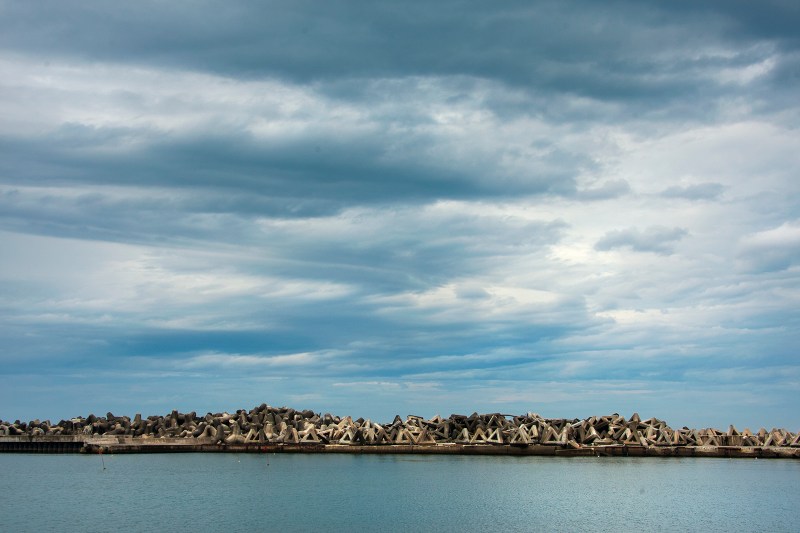 Photographed on 6/23/2011
We left Sendai airport behind us and drove south along the coast. The terrain around us was almost entirely flat. The car navigation system told us we were driving through residential areas and agricultural fields, but all we could see through the windshield was emptiness and desolation. “I’ve had enough of this,” Kuyama suddenly said. It was a line we often used to tease our young editor when we had lost enthusiasm for a project. But this time I think he said it in an attempt to escape the horrible sense that our emotions were being numbed by the horrors constantly unfolding all around us, and as an excuse for driving through these devastated areas without even stopping. Then suddenly he shouted, “Stop!” He leaped out of the car and ran toward a small fishing harbor a short distance away where he stood taking photos and looking out at the tranquil sea just beyond his lens. When he finally returned to the car, he had a look of disbelief on his face. “Is this really the same sea the tsunami came from?”
Written by Tetsuya Hirose
仙台空港を後にして南下すれば海岸沿いにはほぼ平な地形が続く。カーナビにはそこが住宅地だったり畑だったりという表示が出るもののフロントガラスに広がる風景はただの原っぱである。「飽きてきたなぁ」というのは、興味が薄れてきたとき僕らが若い編集者を虐めるときの口癖だったが、そのときは、この360度に広がり果てることのない惨状に自分たちの感覚がマヒしはじめたことの苦しさから逃れるための、そうすることで被災地のひとつを通り過ぎてしまうこと言い訳するための吐露だったような気がする。それでも突然「止めて!」と車から飛び降りて小さな漁港へと向かってはレンズの先の静かな海を見ながらシャッターを押し続けていた。やがて車に帰ってきた久山は「この海はほんとうに津波のあった海と同じなんかなかぁ?」と釈然としない顔をしていた。
ライター / 廣瀬達也
 Photographed on 4/19/2011
Everything in the disaster area was covered in mud, so that it was extremely rare to encounter any patches of bright color—although there were occasional glimpses here and there if you went looking. This lack of color was as striking as the scale of the damage itself. Kuyama was photographing the wreckage when he suddenly turned toward me and shouted these words. Down where we were standing, close to a pathway that led up to a temple on a small hill, everything was covered in rubble. Even the trees that lined the slope had been damaged by the waves. But when we lifted our gaze to the temple itself, we found the area aflame with the beautiful pink of cherry blossoms. This harbinger of spring reminded us that the world was still a colorful place after all and even brought us a moment of happiness.
Written by Tetsuya Hirose
探せばなくはないが、それでもすべてが泥にまみれた被災地にあって鮮やかな色と出会うことはほとんどなかった。それは被害が大きいほどに顕著だった。そんなとき被災地の惨状を撮影していた久山がふと振り返るなり叫んだのがこの言葉である。小高い場所に建つお寺の昇り口付近には瓦礫に覆われていたし斜面の木々も潮の影響を受けていた。それでもお寺のある付近にまで視線をあげれば美しいピンクの桜が一面を染め上げていた。たったそれだけのことで世界がカラフルなことを思い出させてくれたし僕らまでが嬉しくなってしまった春の始まりのとき
ライター / 廣瀬達也
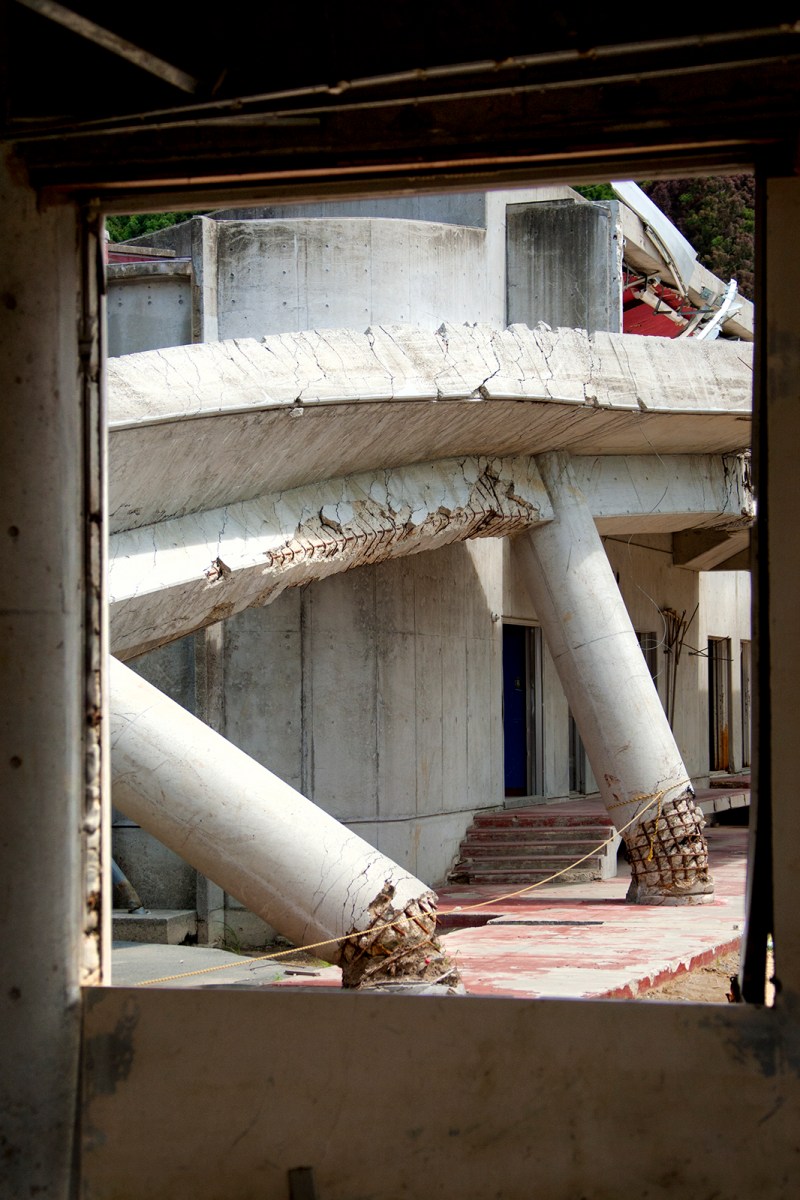 Photographed on 6/22/2011
Continuing along a “road” made up of huge numbers of metal sheets spread out alongside the Kitakami River, we eventually reached a place where the bridge across the big river was down and we could go no further. The place was crowded with police, Self-Defense Force and fire department vehicles, and taxis carrying reporters. It turned out we were not far from the Ōkawa Elementary School, where so many children had perished that day. It was one of the places I returned to every time I visited Tōhoku to join my hands in prayer. For a while there were no restrictions in place and it was possible to enter the building. The school stands as if surrounded by the mountains and the embankment along the river. We could only imagine what had happened here that day. Normally we batted remarks back and forth all the time like a comedy duo, but in the face of this we had no words to say. I sensed a hint of anger on Kuyama’s face.
Written by Tetsuya Hirose
北上川の河川敷に大量の鉄板を敷き詰めただけの“道”を進めば、やがて大河に架かる橋は落ちて通行止めだった。だから多くの警察、自衛隊、消防、取材のタクシーがいるのだと思っていたがじつはその近く多くの子らが犠牲になった大川小学校だった。その後、東北を訪れるたびに手を合わせにいく場所のひとつとなったが、しばらくは規制もされずその中にも入れた。山と川の堤防に囲まれたような中に立つ小学校で何があのとき起きていたのかは想像するしなかなくて、普段は掛け合い漫才のようにテンポよく会話を交わす僕らも、そのときそこではほとんど何も言葉を交わすことはできなかった。そして久山の顔には少し怒りの影を感じた。
ライター / 廣瀬達也
 Phitographed on 4/18/2011
On our first trip to Tōhoku after the disaster we decided we would try to get as close as we could to Rikuzentakada in Iwate Prefecture and take it from there. We arrived to find rubble and debris everywhere. At this stage the debris had not yet been assembled into piles; there was only a narrow road cut through the debris so that traffic could just about pass. We made our way through the rubble-strewn roads until we arrived at a beach. We were in the next town along the coast from Rikuzentakada, just a few kilometers away from the site of a pine grove that had been a famous local beauty spot before the tsunami hit. At the time, the media were featuring reports about a single “miracle pine” that had survived the disaster. On this beach too, several scraggly trees were still standing. They were not as tall or impressive as the famous pine at Rikuzentakada but the sight of them seemed to give us new courage. We decided we’d leave the Rikuzentakada pine to the major media outlets and look for encounters like this one with the pines in front of us now—less immediately impressive, perhaps, but tough and resilient and hanging in there just the same.
Written by Tatsuya Hirose
とにかく岩手県の陸前高田まで行こうと目指した、震災後初めての東北行。なんとかたどり着いたのは一面が瓦礫だらけ(このときはまだ高く積まれてもいなく、かろうじて道が開けているだけ)の町中を進んでたどり着いたのがかつて美しい松原があった陸前高田からほんの少しだけ離れた隣町の浜。当時ニュースをにぎわし始めていらのが“陸前高田の松原に残った一本の松”の話題。それほど高くかっこよくもなかったけれど、その浜にも何本かの木が耐えている姿を見て僕らも元気をもらえたような気がしていた。一本の松はメジャーに任せ僕らはこの、ちょっとカッコ悪いけどタフに頑張っている目の前の松のような出会いを探そうと言った
ライター / 廣瀬達也
 shiromasa kuyama